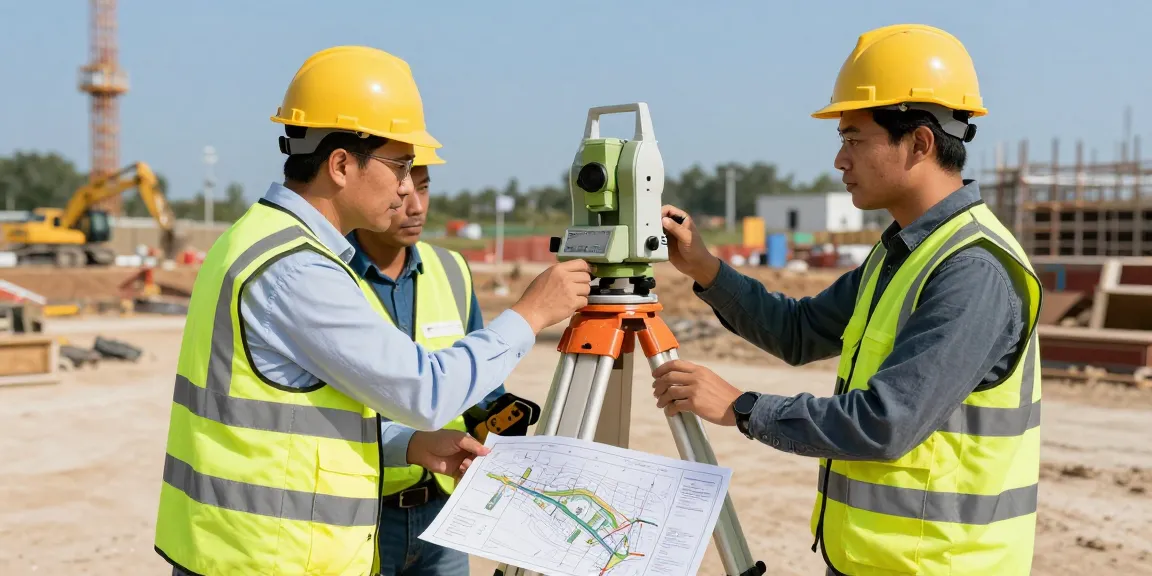
Understanding Topographical Surveys Southampton
In the realm of land development and construction, accurate data is paramount. Topographical surveys serve as a critical tool in the planning and execution of projects, providing an intricate mapping of the terrain and its features. Whether you’re embarking on a new construction project, planning infrastructure developments, or managing land investment, understanding the nuances of Topographical surveys Southampton is essential for success. This article will delve into what topographical surveys entail, who requires them, their benefits, the equipment employed, and the costs associated with these vital surveys.
What is a Topographical Survey?
A topographical survey is a detailed graphical representation of the natural and built environments in a specific area. It provides a scale-based mapping of features such as elevations, contours, trees, buildings, and other significant landmarks. Such surveys are indispensable for various applications including construction, landscaping, and environmental studies. The data collected through a topographical survey plays a pivotal role in site analysis and informs critical decisions regarding land use and development strategies.
Key Components of Topographical Surveys
- Elevation Data: This refers to the height of the land above sea level, which is critical for drainage, grading, and the overall design of buildings.
- Contour Lines: These are lines that connect points of equal elevation and are essential for visualising the terrain’s slope and gradient.
- Natural Features: This includes rivers, lakes, and forest areas that can affect planning and construction.
- Man-made Structures: Identifying existing buildings, roads, and utilities helps in integrating new designs with existing landscapes.
Importance in Planning and Development
Before commencing any construction or land development project, having a topographical survey is crucial. It allows stakeholders to identify potential issues early in the planning phase, ensuring that all designs are optimal and adhere to safety regulations and planning guidelines. The data helps to prevent costly errors that can arise from unexpected site conditions, ultimately safeguarding both investment and infrastructure integrity.
Who Needs Topographical Surveys Southampton?
Architects and Engineers
Architects and engineers are among the primary beneficiaries of topographical surveys. These professionals rely on accurate data to inform their designs, ensuring they align perfectly with the physical characteristics of the site. By integrating survey information, they can create structures that are not only aesthetically pleasing but also structurally sound and compliant with local regulations.
Construction Professionals
For construction professionals, a topographical survey is indispensable. It enables them to plan logistics, determine the best locations for heavy machinery, and establish the foundational integrity required for building. Having precise elevations and site layouts prevents delays and ensures a smooth workflow during the construction phase.
Property Developers and Landowners
Property developers and landowners utilise topographical surveys to assess land value and potential use. By understanding the contours and features of the land, they can make informed decisions about development plans, zoning applications, and investment opportunities. This information is essential for maximising the utility and profitability of the land.
Benefits of Topographical Surveys Southampton
Accurate Land and Site Data
The foremost benefit of a topographical survey is its delivery of accurate site data. This data empowers architects, engineers, and planners to generate designs that are tailored specifically to the unique attributes of the landscape. The precision of elevations, contours, and existing structures enables a more efficient design process.
Risk Management and Safety Assurance
Topographical surveys assist in identifying hazards such as flood zones or unstable ground conditions. This proactive risk assessment helps stakeholders to mitigate potential challenges before they arise, enhancing safety on-site and reducing the likelihood of accidents.
Regulatory Compliance and Planning Support
In many cases, local authorities require topographical surveys as a part of the planning permission process. These surveys demonstrate compliance with existing regulations and provide a visual basis for approval. Having comprehensive survey data can smoothen the planning process and help secure the necessary permits for development.
Topographical Survey Equipment Used in Southampton
Total Station Instruments
Total Station Instruments are a staple in modern surveying practices. They combine electronic distance measurement technology with angular measurements to provide accurate data regarding distances and elevations. This precision is vital for generating reliable topographical maps.
Global Navigation Satellite Systems (GNSS)
GNSS technology has revolutionised surveying by enabling rapid and precise location data collection, especially in expansive or challenging terrains. Surveyors utilise this technology to enhance efficiency and accuracy in topographical surveys, allowing them to work effectively across a variety of environments.
3D Laser Scanners and UAVs
3D laser scanning is a powerful tool for creating detailed three-dimensional models of the terrain. Alongside unmanned aerial vehicles (UAVs), or drones, surveyors can capture vast amounts of data quickly and from perspectives that were previously difficult to attain. This technology is particularly beneficial for creating comprehensive topographical maps in areas that are hard to access.
The Cost of Topographical Surveys Southampton
Factors Affecting Survey Pricing
The cost of topographical surveys can differ significantly based on various factors including the size of the area being surveyed, the complexity of the terrain, and the specific requirements of the project. Additionally, geographical location and accessibility can influence costs, as more remote areas may incur higher expenses to reach.
Comparing Costs for Different Projects
For small residential plots, costs can typically range from £450 to £750, while larger projects, such as commercial developments or infrastructure projects, may exceed £1,500. It’s essential for stakeholders to obtain detailed quotes tailored to their specific project needs to ensure accurate budgeting.
Quoting and Pricing Structures
Most firms offer fixed-price quotes that encompass all aspects of the survey process, which helps clients avoid unexpected fees. When requesting a quote, it’s advisable to provide comprehensive details about the project to receive a precise estimate of the total cost and timeframe required for completion.
Conclusion
In conclusion, topographical surveys play a vital role in the planning and execution of construction and land development projects throughout Southampton and beyond. The accuracy and comprehensive data provided by these surveys empower architects, engineers, and developers to make informed decisions, reduce risks, and ensure compliance with legal requirements. Whether you’re a construction professional, property developer, or simply a landowner contemplating a project, investing in a topographical survey is a crucial step towards ensuring your project’s success.