Understanding Measured Surveys: What You Need to Know
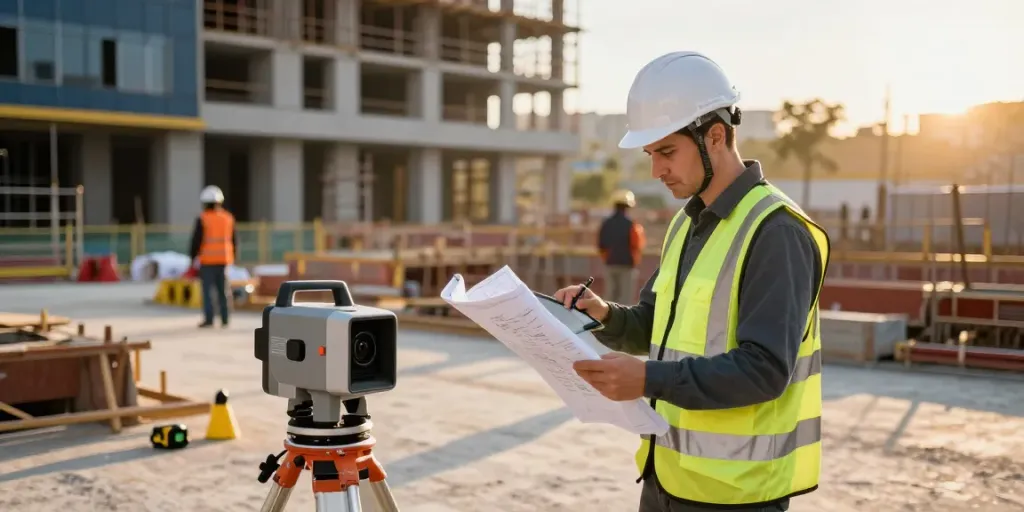
Measured surveys are essential tools in the construction and architectural industries, providing crucial data that underpins successful projects. They offer an accurate representation of existing structures, which is invaluable when planning renovations, new builds, or restorations. Measured Survey London serves as a key resource for professionals in these fields, ensuring that they have access to precise measurements and detailed plans necessary for informed decision-making.
What is a Measured Survey?
A measured survey involves the systematic collection of data about a building or piece of land, delivering specifications such as dimensions, elevations, and cross-sections. This process utilises advanced surveying techniques and technologies, including laser scanning and GPS, to capture accurate information. The results are often compiled into comprehensive documents, including plans, sections, and elevations, which architects and engineers use for further design and planning stages.
Importance of Accurate Measured Surveys
Accuracy in measured surveys cannot be overstated. Errors in measurement can lead to costly mistakes during construction, potential legal issues, and delays in project delivery. Precise surveys are vital for compliance with planning regulations and building codes, which can vary significantly between different regions in London and the surrounding areas. Furthermore, they facilitate effective communication between stakeholders, ensuring everyone involved has a clear understanding of the project requirements.
Common Applications in Construction and Architecture
Measured surveys are employed in a variety of contexts, including:
- Renovations: Accurate surveys help architects understand existing conditions, informing the design of modifications or extensions.
- New Developments: For new buildings, measured surveys provide the foundation for design, ensuring structures fit the designated plots.
- Historic Restorations: In conservation projects, detailed surveys are crucial for maintaining the integrity of older buildings.
- Landscaping: Topographical surveys assist in designing gardens, parks, and other outdoor spaces by illustrating the terrain.
Common Challenges in Measured Surveys
Despite their importance, measured surveys can encounter several challenges that impact their effectiveness. Understanding these challenges helps surveyors develop strategies to mitigate their risks.
Inaccurate Measurements and Their Consequences
Inaccuracy in measurements can arise from various sources, including poor equipment calibration, human error, or environmental conditions. Such inaccuracies can lead to flawed assumptions, incorrect designs, and ultimately, financial loss if adjustments must be made late in the construction process.
Misinterpretation of Survey Data
Even with accurate measurements, the interpretation of survey data can be problematic. Misunderstandings about the implications of survey results can affect project outcomes. Therefore, it is crucial for surveyors to effectively communicate findings and ensure that all stakeholders understand the data presented.
Technical Limitations of Survey Equipment
Surveying technology, while advanced, has limitations. For example, certain environments may render equipment less effective, leading to decreased accuracy. Regular updates and maintenance of surveying tools are essential to ensure consistent performance and reliability.
Best Practices for Executing Effective Measured Surveys
To overcome common challenges and enhance the effectiveness of measured surveys, various best practices should be adhered to.
Importance of Professional Surveyors
Engaging qualified, experienced professionals is central to the success of any measured survey. Professional surveyors possess the expertise not only to conduct the surveys accurately but also to interpret the data effectively, providing invaluable insights throughout the construction process.
Utilizing Advanced Technology for Precision
Incorporating cutting-edge technology, such as 3D laser scanning and drones, can significantly improve the accuracy and efficiency of surveys. These technologies allow for the rapid collection of data in high detail, facilitating more precise planning and design.
Regular Training and Updates for Survey Teams
Continuous professional development for surveying teams is crucial in keeping pace with advancements in techniques and technology. Ongoing training ensures that surveyors remain adept and knowledgeable, which, in turn, enhances the quality of surveys produced.
Real-World Examples of Successful Measured Surveys
Examining successful case studies can offer valuable insights into best practices and highlight the benefits of accurate measured surveys.
Case Study: Residential Project in London
In a recent residential renovation project in central London, a measured survey revealed critical structural details that the homeowners were unaware of. This information enabled the architect to design a safe and aesthetically pleasing extension that seamlessly integrated with the existing structure.
Case Study: Commercial Development in Surrey
For a commercial development in Surrey, the measured survey data allowed the development team to assess spatial constraints and plan the layout effectively, maximising the use of available space while complying with local regulations. The project was completed on time and within budget, demonstrating the value of thorough planning supported by accurate data.
Lessons Learned from Industry Experts
Experts in the field often emphasise the importance of collaboration between surveyors and other professionals involved in a project. These relationships lead to enhanced communication, better understanding, and ultimately a smoother workflow throughout the lifecycle of the project.
Future Trends in Measured Survey Techniques for 2026
The surveying industry is evolving rapidly, driven by technological advancements and changing market demands. Understanding these trends can help businesses prepare for future challenges and opportunities.
Emerging Technologies in Surveying
Innovations such as artificial intelligence, machine learning, and improved data analytics tools are set to revolutionise how measured surveys are conducted. These technologies will not only increase accuracy but also streamline workflows, reduce costs, and enhance project outcomes.
Predictions for the London Construction Market
As London continues to grow and develop, the demand for measured surveys will likely increase. With a focus on sustainability and efficient land use, surveyors will play a critical role in guiding construction projects that align with these goals.
Preparing for Changes in Regulations and Standards
With the construction industry constantly evolving, surveyors must remain adaptable to changing regulations and industry standards. Staying informed will ensure compliance and foster trust with clients and stakeholders.
How much does a measured survey cost?
The cost of a measured survey can vary widely based on the complexity of the project, the technology used, and the specific requirements of the client. Generally, prices range from £200 to over £1,000, depending on various factors.
How long does a measured survey take?
The duration of a measured survey can depend on the size and complexity of the property being surveyed. Typically, surveys can be completed within a few days to a few weeks, allowing ample time for data collection, analysis, and report preparation.
What are the top 10 surveying firms in the UK?
Identifying reputable surveying firms can be crucial for securing quality services. Leading firms often include those known for exceptional accuracy and reliability in their survey outcomes, such as Red Laser, LA Surveys, and Measured Survey 365, among others.
What are the best survey companies in the UK?
When selecting a survey company, consider those with a strong track record, excellent customer reviews, and a diverse portfolio of completed projects. Companies that embrace innovation and technology are likely to provide the most competent services.
What tools are essential for a measured survey?
Essential tools for conducting a measured survey include total stations, 3D laser scanners, GPS equipment, and surveying software for data processing. Such tools enable surveyors to collect and analyse data with maximum precision and efficiency.