Understanding Sports Massage: An Essential Recovery Tool
In the world of athletic performance and physical fitness, recovery plays a crucial role among elite athletes and casual gym-goers alike. One of the most effective methods to aid recovery is through sports massage. This specialized form of massage therapy not only alleviates muscle tension but also enhances overall performance. Whether you’re dealing with tight muscles, recovering from an injury, or simply looking for a method to improve your mobility, sports massage St Albans can provide comprehensive insights and tailored treatments to fit your needs.
What is Sports Massage and Its Benefits?
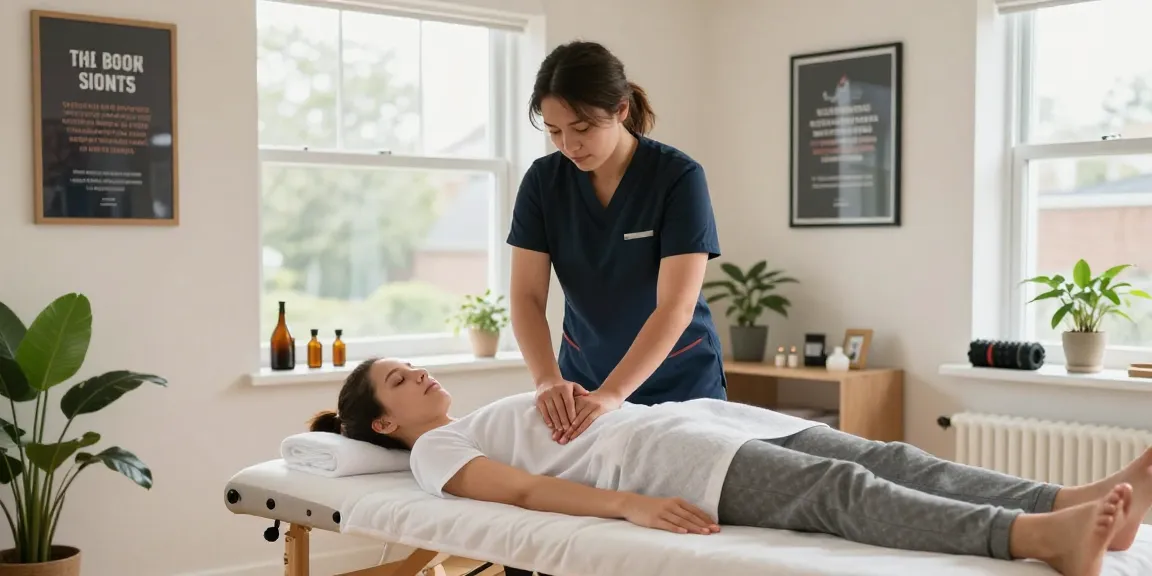
Sports massage is a technique designed to cater to the unique needs of athletes. It involves the manipulation of soft tissues, such as muscles, tendons, and ligaments, to promote recovery and prevent injury. Unlike traditional massage, which may focus on relaxing the whole body, sports massage is specific and results-driven.
Some of the key benefits of sports massage include:
- Enhanced Recovery: By improving blood circulation, sports massage helps deliver essential nutrients to muscle tissues, speeding up the recovery process after intense workouts or competitions.
- Muscle Tension Relief: It targets specific areas of tension, breaking down adhesions and knots that can affect performance.
- Injury Prevention: Regular sessions can help identify potential problem areas before they lead to injury.
- Improved Flexibility: This technique aids in increasing the range of motion, allowing for more fluid movements during athletic activities.
How Sports Massage Aids Recovery and Performance
Sports massage works on both the physiological and psychological aspects of recovery. Physiologically, it helps reduce muscle soreness and stiffness by improving circulation and relieving tension in the muscles. Psychologically, it assists in relaxation, aiding in mental preparation for upcoming physical challenges. Athletes often find that their performance improves markedly due to increased flexibility and quicker recovery times.
The holistic approach of sports massage incorporates various techniques, such as deep tissue massage, stretching, and cross-fiber friction, all aimed at enhancing recovery and performance levels.
Common Techniques in Sports Massage Therapy
There are several techniques commonly used in sports massage therapy, each offering unique benefits:
- Effleurage: This stroking technique is used to warm up the muscles and promote relaxation.
- Petrissage: Involves kneading the muscles to release tension and enhance circulation.
- Friction: Targets deeper layers of muscle to break down scar tissue and adhesions.
- Compression: This technique applies pressure to specific points, helping to reduce muscle tightness.
Identifying Sports Injuries and Conditions Treated
Understanding the types of injuries that can occur during physical activities is essential for effective treatment. Sports massage can address a wide range of issues, aiding in both immediate care and long-term management of conditions.
Most Common Sports Injuries Needing Massage Therapy
Some of the most prevalent sports injuries treated with massage therapy include:
- Strains and Sprains: Injuries to muscles or ligaments, often resulting from overstretching or overexertion.
- Tendonitis: Inflammation of a tendon, commonly seen in runners and athletes involved in repetitive movements.
- Shin Splints: Pain along the shin bone, typically caused by excessive running or jumping.
- Plantar Fasciitis: A common foot condition resulting in heel pain, often treated effectively with massage.
How to Recognize Symptoms that Require Professional Attention
It’s vital to recognize when muscle soreness or tightness may require professional intervention. Symptoms that indicate the need for sports massage include:
- Persistent Pain: Pain that doesn’t improve with rest or stretches may indicate a deeper issue.
- Swelling: Inflammation or swelling in a specific area can be a sign of injury.
- Decreased Range of Motion: Inability to move a joint or muscle through its normal range may require assessment.
Long-term Conditions Managed by Sports Massage
In addition to acute injuries, sports massage is beneficial for managing chronic conditions, such as:
- Chronic Back Pain: Regular massage can relieve tension and discomfort in the back.
- Postural Imbalances: Helps correct issues arising from prolonged sitting or poor posture.
- Fibromyalgia: It can alleviate muscle pain associated with this chronic condition.
Choosing the Right Sports Massage Session for You
Choosing the appropriate sports massage session is crucial for achieving the desired results. Various types of sessions cater to specific needs, making it essential to understand your options.
Types of Massage Sessions Available in St Albans
In St Albans, several types of sports massage sessions are offered, including:
- Deep Tissue Massage: Targets deeper layers of muscle and connective tissue, ideal for chronic aches.
- Trigger Point Therapy: Focuses on specific tight areas, known as trigger points, to relieve pain.
- Sports Recovery Massage: Specifically designed for athletes, this integrates techniques that promote recovery.
- Active Release Technique: Combines stretching with massage to improve function and range of motion.
What to Expect During Your Initial Consultation
During your initial consultation, the therapist will evaluate your condition, discuss your health history, and assess your physical state. This thorough assessment is crucial to creating a tailored treatment plan that addresses your specific needs.
Expect the therapist to ask about:
- Your athletic background and any current training regimens.
- Previous injuries and how they impact your current activity levels.
- Specific areas of discomfort or tension you wish to address.
Personalizing Your Sports Massage Experience
Every athlete’s needs are unique, and your massage should reflect that. Personalizing your session may involve adjusting pressure levels, selecting specific techniques, and focusing on targeted areas. Communicating openly with your therapist about your comfort and preferences will ensure an effective session.
Expert Insights and Best Practices for Sports Massage
To maximize the benefits of sports massage, consider these expert insights and best practices:
Top Tips for Maximizing Your Sports Massage Benefits
To enhance the effectiveness of your sports massage, keep these tips in mind:
- Stay Hydrated: Drinking plenty of water before and after your session helps flush out toxins released during massage.
- Communicate Your Needs: Always share any discomfort or specific concerns with your therapist.
- Integrate with Your Training: Schedule massages in alignment with your training routine for optimal benefits.
How Often Should You Schedule Your Sessions?
The frequency of sports massage sessions depends on your training intensity and recovery needs. Athletes may benefit from weekly sessions, while recreational gym-goers might find bi-weekly or monthly massages sufficient. Monitoring how your body responds will guide your decision-making.
Combining Sports Massage with Other Therapies
For optimal recovery, consider integrating sports massage with other therapeutic modalities, such as:
- Physical Therapy: Provides structured rehabilitation following an injury.
- Chiropractic Care: Addresses alignment issues that may contribute to pain or injury.
- Yoga or Pilates: Enhances flexibility and strength, complementing the benefits of massage.
Future Trends in Sports Massage Therapy
As the landscape of sports recovery evolves, new techniques and technologies continue to emerge, reshaping how therapies are delivered.
Innovative Techniques Emerging in 2026
Trends highlighting advancements in sports massage therapy include:
- Myofascial Release Techniques: An increasing focus on fascial networks surrounding muscles to improve mobility and reduce pain.
- Integrative Therapy Approaches: Combining traditional massage with newer techniques such as biomechanical assessments and rehabilitation exercises.
- Remote Massage Therapy: Innovations allowing for therapeutic assessments and consultations via telehealth are on the rise.
How Technology is Shaping the Future of Massage Therapy
The rise of technology in the wellness industry is transforming sports massage. Applications that track physical performance and recovery metrics are becoming commonplace, allowing therapists to tailor sessions based to real-time data. Additionally, wearable technology that monitors muscle strain and fatigue is helping athletes schedule treatments more effectively.
Expert Predictions for Sports Recovery Practices
Looking ahead, experts predict that the integration of artificial intelligence and machine learning will play a significant role in personalizing recovery strategies, ensuring that every athlete receives a customized experience based on their unique physiological responses.
What conditions can sports massage help with?
Sports massage can help alleviate a variety of conditions, including:
- Muscle soreness and stiffness from exercise.
- Injuries related to repetitive strain.
- Posture-related discomfort.
- Chronic pain conditions.
How long does a typical sports massage session last?
A typical sports massage session lasts between 60 to 90 minutes, depending on the areas being treated and the specific needs of the client.
Is sports massage suitable for everyone?
While sports massage is beneficial for many, it may not be suitable for individuals with certain medical conditions. It is important to consult with a qualified therapist to determine the best approach for your needs.
What should I wear during a sports massage?
Comfortable, loose-fitting clothing is recommended for a sports massage. Athletic wear that allows for mobility is often best, as it enables the therapist to access areas that may require treatment.
How can I prepare for my first sports massage session?
Preparation for your first session includes:
- Arriving hydrated and avoiding heavy meals right before.
- Providing your therapist with a detailed health history.
- Being open about your fitness goals and recovery needs.